

1. The Power of Light Colors
In small spaces, the choice of color can significantly impact the perception of size and openness. Utilizing light colors, such as white, beige, and soft pastels, can transform a compact room into a bright and airy environment. These hues possess a unique ability to reflect natural light, which can make a room feel less confined and more inviting. By opting for a lighter color palette, homeowners can foster an atmosphere that enhances the sense of spaciousness, creating a more comfortable area in which to live or work.
When selecting paint colors for walls, architectural elements, and furnishings in smaller areas, it is essential to consider the light conditions of the space. Spaces that receive ample natural light can benefit from warm shades of white or creams, while those with limited light can thrive with soft pastels like light blue or pale yellow. These colors not only brighten a room but also contribute to a cohesive design that minimizes visual clutter. Additionally, pairing light colors with appropriate finishes—such as satin or eggshell—can further augment the light-reflective qualities of the surfaces.

- Paint suitable for interior walls and ceilings for your home, with emulsions specifically formulated for all rooms, incl…
- The easy to apply formulation provides a beautiful layer of long lasting colour, ideal for a quick paint job
- Johnstone’s Matt Emulsion Paint provides a smooth, rich and non-reflective finish, perfect for a contemporary look and t…
Incorporating accent decorations that align with the light color scheme is another effective strategy. Mirrors, for instance, can enhance the distribution of light and create the illusion of depth. Hanging a large mirror across from a window can optimize light reflection, substantially contributing to the feeling of spaciousness. Moreover, using light-colored textiles, such as curtains and cushions, can harmonize the overall aesthetic while ensuring the décor remains inviting. By adopting this approach, individuals can make the most of their small spaces, instilling a sense of openness and tranquility while maintaining functionality.
2. Mirrors: The Illusion Creators
Mirrors are a versatile tool in home decor, renowned for their ability to create the illusion of larger spaces. When strategically placed, they can transform the perception of a room, making it feel more expansive and airy. By reflecting light and views, mirrors help to amplify the atmosphere within a home, offering both aesthetic and functional benefits.
The placement of mirrors is vital for maximizing their effect. An effective approach is to position mirrors across from windows. This arrangement allows natural light to bounce off the mirror, enhancing brightness throughout the room. Additionally, mirrors can be particularly beneficial in narrow hallways. Installing vertically oriented mirrors or incorporating them into the design of a gallery wall allows for visual expansion, making the space feel less constricted.
Different styles of mirrors can complement various design aesthetics. For instance, a sleek, modern mirror with clean lines can enhance minimalist interiors, while an ornate, vintage-inspired mirror can add a touch of elegance to more traditional or eclectic spaces. Furthermore, mirrors with unique shapes—such as geometric or asymmetrical forms—can serve as eye-catching focal points that contribute to the overall decor narrative.
In addition to their placement and style, the size of mirrors should also be considered. Larger mirrors can make a significant impact in bigger rooms, reflecting more light and creating a grander atmosphere, whereas smaller mirrors can be grouped together to craft a cohesive look, adding both style and depth without overwhelming the space.


Ultimately, mirrors are not just decorative elements; they are powerful design tools that can change the perception of any space. By thoughtfully incorporating mirrors into home decor, homeowners can effectively create a sense of openness and enhance the beauty of their interiors.
3. Multi-Functional Furniture: Space-Saving Solutions
In today’s fast-paced world, where urban living often comes with limited square footage, multi-functional furniture has emerged as a vital solution for maximizing small spaces. The innovative designs of these versatile pieces aim not just to enhance the aesthetic appeal of a room, but also to serve multiple purposes, thereby reducing clutter and increasing functionality.
One popular option is the storage ottoman. This stylish piece of furniture can double as a seat or a footrest, while also providing convenient storage for blankets, shoes, or magazines. The ease with which these ottomans can blend with various decor styles makes them an ideal choice for small living areas, where every inch of space counts.
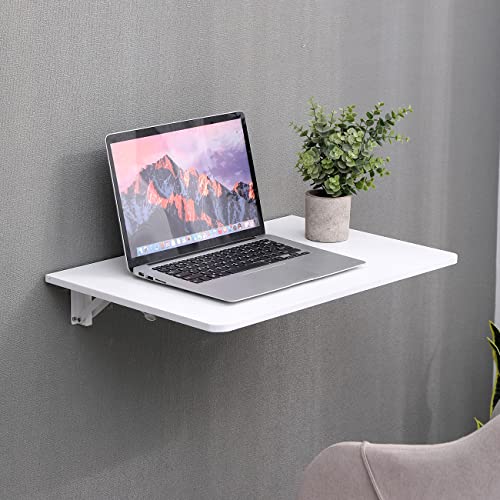
Another effective space-saving solution is the fold-out desk. In a work-from-home environment, a fold-out desk can provide an essential workspace without occupying a permanent footprint. When not in use, it can be neatly tucked away, freeing up valuable floor space. Many modern versions come with integrated shelves or storage solutions, further enhancing their utility.
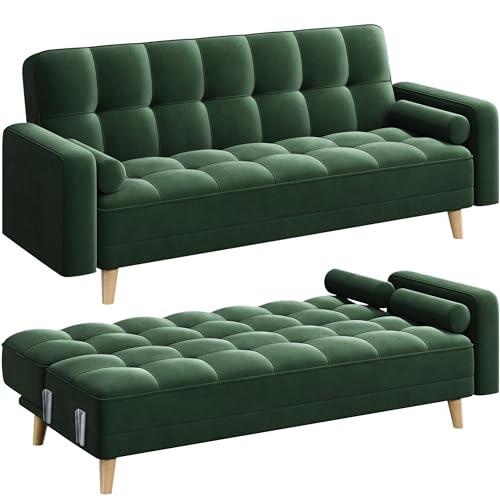
Sofa beds are yet another excellent example of multi-functional furniture. They serve as comfortable seating during the day and easily transform into a bed for guests at night. The availability of stylish designs that mimic traditional sofas ensures that residents do not have to compromise on style for functionality. Furthermore, some models even incorporate additional storage in their base, providing an efficient solution for small bedrooms or guest rooms.

When selecting multi-functional furniture, it is crucial to consider both design and practical needs. Measuring available space, assessing personal style, and prioritizing versatility will guide individuals in choosing the right pieces that fit seamlessly into their small spaces. By incorporating these clever furniture solutions, residents can enjoy a more organized and functional living environment.
4. Maximizing Vertical Space: Tips and Tricks
In smaller homes, the efficient use of vertical space can significantly enhance the available area. By utilizing wall-mounted shelves, tall bookcases, and hanging organizers, homeowners can draw the eye upward, creating an illusion of greater space. Implementing these design strategies not only optimizes storage but also introduces a dynamic visual element to the decor.
Wall-mounted shelves are particularly useful for displaying decorative items, books, or plants while maintaining floor space. They can be installed at varying heights to provide visual interest, and their placement encourages a sense of spaciousness. Moreover, utilizing floating shelves allows for the creative arrangement of diverse objects, from framed photos to small potted succulents, aiding in personal expression while keeping the area organized.
Tall bookcases offer another effective storage solution. By arranging books and personal items vertically, one can take advantage of the full height of a room. These bookcases can serve dual purposes; the lower sections can house larger items or bins for additional storage, while the upper shelves can be reserved for decorative pieces or less frequently accessed items. When styling these bookcases, consider mixing horizontal and vertical orientations for a more visually appealing layout.
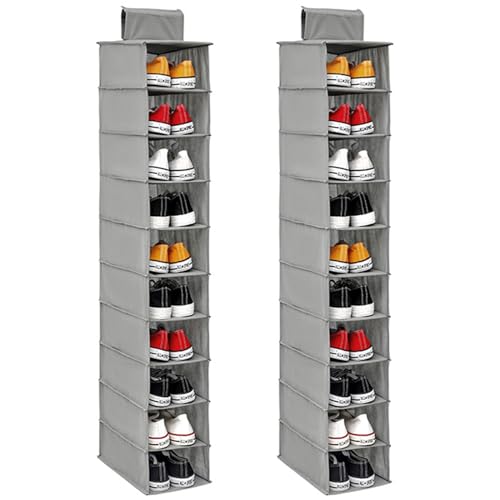
Hanging organizers, which can be installed on doors or walls, are excellent for items that need to be easily accessible. Items such as shoes, accessories, or office supplies can be neatly arranged, freeing up floor space and reducing clutter. Incorporating such organizers into the home’s design not only maximizes storage but also enhances overall functionality.


In essence, leveraging vertical space through thoughtful design choices can transform a small space into a well-organized and aesthetically pleasing environment. By carefully selecting the right types of storage solutions and displaying personal belongings in a creative manner, one can enjoy a tidier and more expansive living area.
5. The Magic of Clear and Glass Furniture
In the realm of home decor, clear and glass furniture signifies a remarkable choice for maximizing limited space. Such pieces possess a unique advantage of creating an illusion of openness, allowing the eye to wander without obstruction. This is particularly beneficial in smaller rooms where traditional furniture can weigh down the visual aesthetics. By integrating transparent furniture, homeowners can achieve a more airy ambiance, fostering a sense of spaciousness.
Among the most popular items are glass coffee tables and dining tables. These versatile pieces can seamlessly blend with various design styles, from contemporary to minimalist. For instance, a round glass dining table can provide an inviting focal point while facilitating ease of movement around it. Additionally, glass-top side tables paired with sleek metallic or wooden bases offer functionality without imposing on the surrounding space.
Moreover, chairs and stools made of clear acrylic are excellent additions to compact areas. Their lightweight nature allows for easy rearrangement, making them ideal for dynamic spaces such as living rooms or dining areas. Lucite or acrylic chairs paired with a glass table creates a harmonious and visually appealing setup. Alongside these, clear shelving units can serve both decorative and practical purposes. They display items without creating a cluttered look, allowing the focus to remain on the displayed objects rather than the furniture itself.


To optimize the use of clear and glass furniture, consider placement in rooms that require facilitation of light and flow. Living rooms, dining areas, and even bedrooms can benefit from the installation of transparent pieces. By doing so, one can maintain both style and functionality while ensuring that the overall space feels less constricted. Overall, embracing the magic of clear and glass furniture can significantly enhance the aesthetic and spatial perception of smaller homes.
6. Minimalism: Embracing Less for More Space
In recent years, the principle of minimalism has gained significant traction in home decor, articulated by the mantra “less is more.” This design philosophy emphasizes the importance of simplicity, prioritizing minimal clutter and unnecessary decoration, subsequently creating a more spacious and inviting environment. By adhering to minimalism, individuals can transform their homes into tranquil spaces that inspire relaxation and peace of mind.
The essence of minimalism lies in its ability to declutter both physical spaces and mental processes. Light, neutral color palettes and streamlined furniture choices can help to create an open atmosphere, making rooms feel larger than they are. For example, opting for a few carefully selected pieces of furniture rather than many smaller items can create a cohesive look that enhances the space’s dimensions. Statement pieces, such as a large artwork or an elegant sofa, become focal points without overwhelming the surroundings.
Incorporating minimalist design does not imply sacrificing personal style; rather, it invites individuals to curate their spaces thoughtfully. Selecting quality over quantity is a fundamental tenet of minimalism. This means choosing decor items and furnishings that resonate personally and serve a functional purpose while avoiding excessive accessories that may contribute to visual clutter. Each selected item should embody an aesthetic that promotes harmony and simplicity, enriching the overall decor while maintaining a clear and open space.

Additionally, effective storage solutions play a pivotal role in minimalism. Utilizing multifunctional furniture, such as ottomans with internal storage or wall-mounted shelving, can help keep essential items organized yet out of sight. This approach ensures that each element within a room serves a distinct purpose, thus enhancing both functionality and visual appeal. By embracing minimalism, homeowners can create a serene atmosphere where space is utilized thoughtfully, allowing for both comfort and tranquility throughout their living areas.
7. Floating Furniture: Creating an Open Appearance
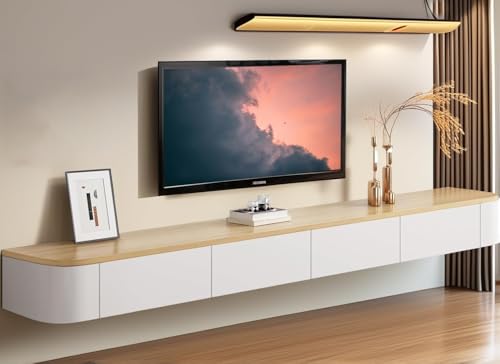
In contemporary interior design, the concept of floating furniture has emerged as a popular strategy to enhance small spaces. By opting for wall-mounted items such as vanities, shelves, and nightstands, homeowners can significantly free up valuable floor space. This innovative approach not only fosters a more open and airy appearance but also simplifies the cleaning process, making it easier to maintain a tidy environment.
One of the primary benefits of floating furniture is the visual effect it produces. When storage items are mounted off the ground, it creates a sense of depth, making the room feel larger than it truly is. This illusion is particularly beneficial in compact living spaces where every square inch counts. By utilizing vertical space more effectively, floating furniture can help to declutter a room while maintaining functionality.
In addition to vanities and shelves, floating desks have also gained traction, particularly in home offices or workspaces. These designs can be customized to meet specific needs, providing a workspace without consuming a significant amount of area. Homeowners can explore various styles and finishes to ensure that their floating pieces align with the overall aesthetic of their decor.


When selecting floating furniture, it is crucial to consider both quality and weight capacity. Items must be securely mounted to the wall to ensure safety and stability. Many retailers offer pre-made floating furniture solutions, but individuals with a knack for DIY projects might also contemplate customizing their pieces to fit distinct space requirements. Additionally, incorporating floating furniture into a room allows for the opportunity to showcase decorative elements or personal items beneath, further enhancing the room’s character and openness.
8. Defining Areas with Rugs
One of the most effective strategies for defining areas in open-plan or studio spaces is the strategic use of area rugs. By carefully selecting the shapes, sizes, and placements of rugs, homeowners can create distinct zones that serve specific functions, thereby enhancing the spatial dynamics of their living areas. Area rugs are not merely decorative; they can play a crucial role in organizing and delineating spaces, making them ideal for smaller homes or apartments.
When selecting a rug, the shape can significantly influence the perception of an area. For example, a large rectangular rug can anchor a dining or living area, creating a central point around which furniture is arranged. Conversely, a round rug can soften the edges of a room, contributing to a cozy atmosphere while effectively marking a conversational zone. In addition to shape, size should be a primary consideration. A rug that is too small may make an area feel disjointed, while one that is appropriately scaled can lend a sense of unity and cohesion.
Placement is also vital in using rugs to define areas. Positioning furniture partially on the rug can visually unify different pieces, while leaving furniture completely off the rug can make a space feel disconnected. Furthermore, layering rugs can introduce texture and depth, allowing homeowners to embrace versatility in their design choices. For those looking to complement their existing décor, choosing rugs with colors or patterns that resonate with the overall aesthetic will enhance spatial awareness and harmony.

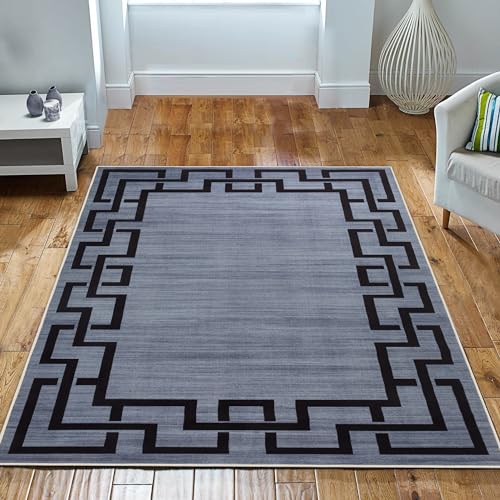

In summary, area rugs hold the potential to significantly redefine the layout of open spaces, offering both comfort and structure. By understanding how to use rugs effectively, individuals can optimize their living environments, making them feel both functional and inviting.
9. Hanging Curtains High: Elevating Your Ceilings
One of the most effective methods to create the illusion of higher ceilings in a room is by strategically hanging curtains. This technique essentially involves positioning curtain rods closer to the ceiling rather than adhering to the traditional placement above the window frame. By mounting the curtain rods higher, the vertical lines of the curtains draw the eyes upward, resulting in a perception of greater height. This approach can transform cramped spaces into airy, inviting environments that feel more expansive.
When selecting the right curtains for this design strategy, it is crucial to consider both fabric and style. Opting for lightweight fabrics, such as linens or sheer materials, can enhance the airy feel of the room, while heavier fabrics may weigh down the overall appearance.
Vertical patterns can further amplify the heightening effect, leading to a seamless visual transition from floor to ceiling. Additionally, choosing a color palette that complements the existing decor will ensure a streamlined look, which is essential for maximizing small spaces.
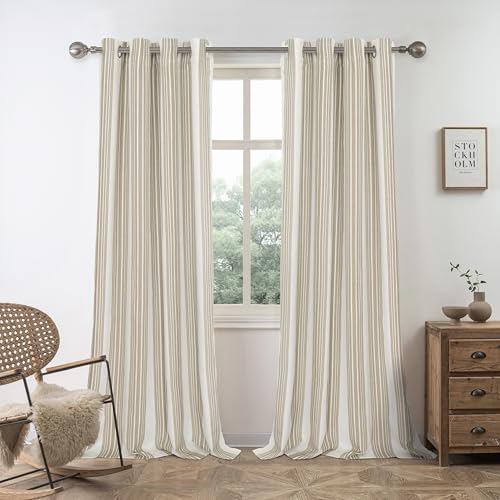
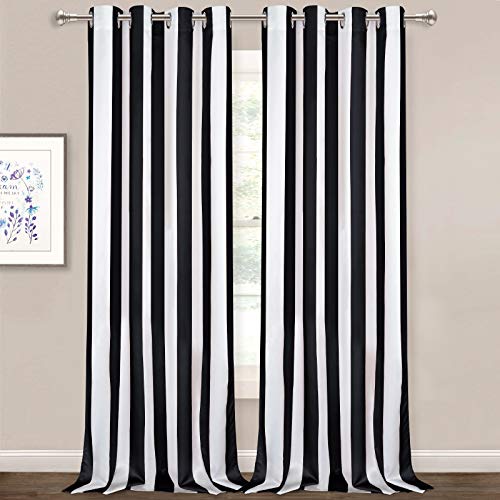
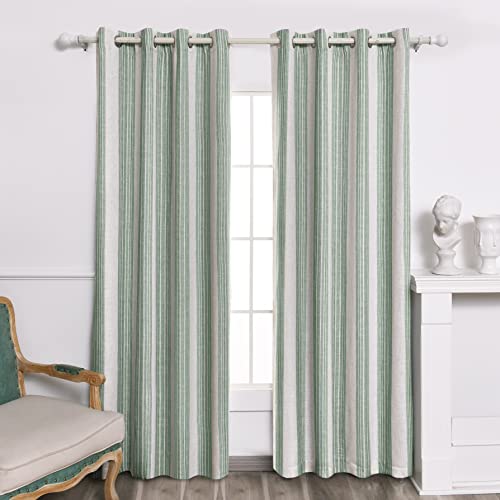
For those who prefer a more dramatic effect, consider using floor-length curtains that puddle slightly on the ground. This extended style not only enhances the illusion of height but also adds an element of elegance to the space. To achieve a cohesive design, ensure that the curtain rods are consistent with the room’s other hardware elements, such as light fixtures and furniture accents.
By employing this strategy, you can significantly elevate the aesthetic appeal of your home while making the most of limited space.
10. Sliding Doors: Improving Flow and Functionality
In the pursuit of optimizing small spaces within the home, sliding doors offer a practical solution that traditional swinging doors cannot match. These innovative door systems glide open along a track, eliminating the need for the clearance typically required by conventional doors. This space-saving attribute significantly enhances the functionality and flow between rooms, making them particularly advantageous in compact living environments.
By replacing swinging doors with sliding or pocket doors, homeowners can seamlessly merge areas, creating an open and airy atmosphere. This is especially beneficial in smaller homes where maximizing square footage is paramount. The ability to easily transition between spaces without obstruction fosters an unencumbered layout, ultimately enhancing the overall aesthetic of a home.
When considering design, sliding doors can be integrated into a variety of styles to complement existing decor. For a modern look, sleek glass sliding doors allow natural light to permeate, creating the illusion of more expansive areas. Conversely, wooden sliding doors can add warmth and texture, harmonizing beautifully with rustic or traditional themes. The versatility in design options ensures that sliding doors can be tailored to suit any interior, while also contributing to a cohesive design narrative throughout the home.
Installation of sliding doors may require some additional planning, especially for pocket doors that are housed within the wall. It is essential to assess structural considerations and explore appropriate tracks and hardware suited to the desired door size and weight. Consulting with a professional can result in effective installation that adheres to safety and design standards, thereby ensuring long-lasting functionality.
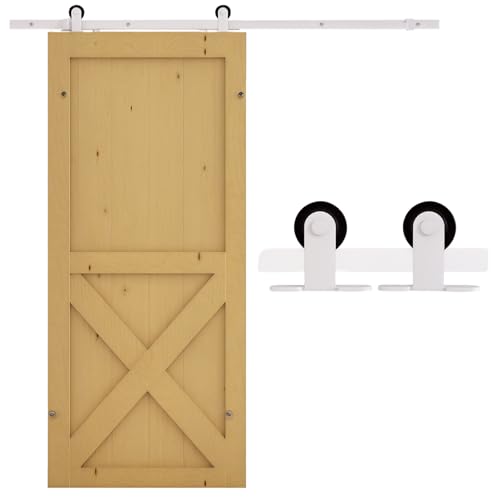

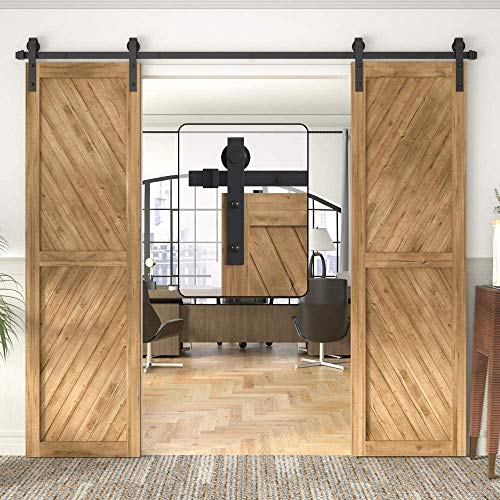
In conclusion, sliding doors serve as an efficient solution for improving space flow and functionality in small homes. Their design flexibility and practicality make them a worthy consideration for anyone looking to optimize their living environment.
11. Foldable and Nesting Items: Versatile Design
In the realm of small space living, foldable and nesting items emerge as indispensable allies in home decor. These innovative pieces not only conserve precious square footage but also enhance the functionality of compact areas. Foldable dining tables, for instance, offer the perfect solution for homes where entertaining guests is a priority but space is limited. When not in use, these tables can be conveniently stowed away, allowing homeowners to maintain an uncluttered environment.
Nesting side tables are another ideal choice. Their design, which allows multiple tables to be stacked together, enables homeowners to deploy them when needed and seamlessly tuck them out of sight when they are not. This flexibility makes nesting tables a chic yet practical addition to any room, proving that style and space efficiency can coexist harmoniously.
Wall-mounted desks have gained popularity as well, merging workspace utility with minimalism. Perfect for those who work from home or require a small office nook, these desks can be folded down when required, providing ample room for other activities. This feature of foldable furniture not only maximizes available space but also enhances the aesthetic appeal of a home. When selecting these items, it is crucial to consider durability and style. Choose options crafted from sturdy materials that can withstand regular use while also complementing the overall decor scheme.
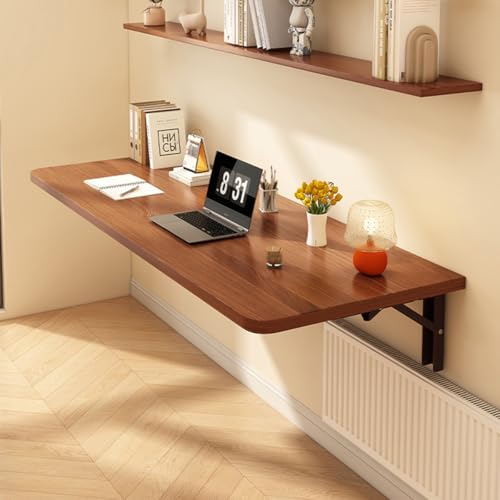
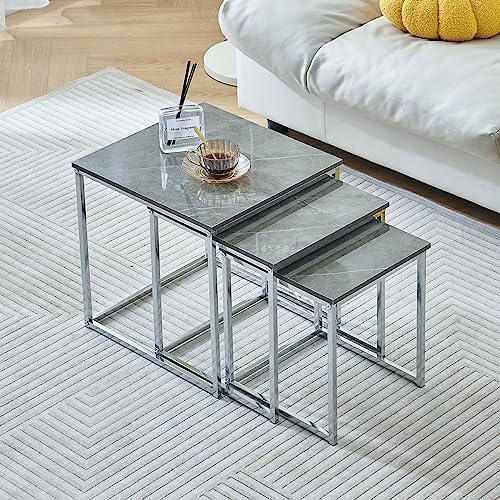
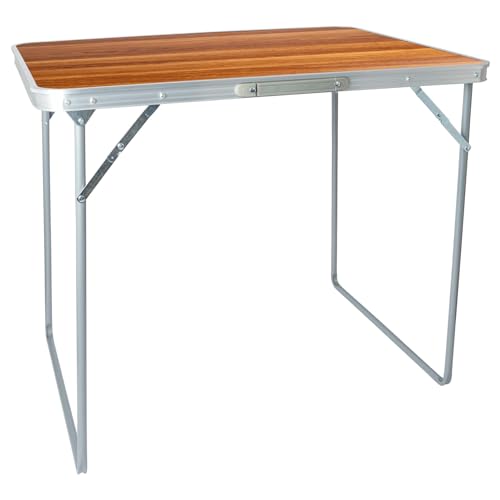
Incorporating foldable and nesting pieces into small spaces allows for greater adaptability, enabling residents to transform their homes effortlessly. The versatility of these designs will not only satisfy the need for functionality but will also contribute to a stylish living environment. As small space solutions become increasingly essential in home decor, foldable and nesting items remain a top choice for effective space management.
12. Built-In Storage: Custom Solutions for Small Spaces
In the quest to optimize small living areas, built-in storage has emerged as a highly effective solution. These custom installations can significantly enhance both functionality and aesthetics, allowing homeowners to make the most of every inch of their available space. By integrating storage units into the architecture of a room, such as under-bed drawers or recessed shelving, one can eliminate the need for bulky furniture and thereby create a more open and inviting environment.
Built-in storage can be tailored to fit individual needs and preferences, making it a versatile choice for diverse living spaces. For instance, custom shelving units can be designed to display books and decorative items while simultaneously providing storage for less visually appealing items. This not only maximizes storage but also adds a personal touch to the room’s decor. In narrow hallways or entryways, for example, built-in cabinets can provide additional storage for shoes and bags without encroaching on limited walking space.
When designing built-in storage, it is crucial to consider both functionality and style. Custom solutions should align with the overall decor theme, whether that is modern, rustic, or minimalist. Utilizing materials that complement existing furnishings can ensure that these storage solutions blend seamlessly into the room. Furthermore, innovative designs such as fold-out desks or multi-purpose benches can enhance usability while maintaining a stylish appearance.

- ADJUSTABLE ROD LENGTH – This closet organization system features an adjustable rod length design, allowing each rod to e…
- ADJUSTABLE SHELVES – The closet shelving system features a 5-tier design with adjustable shelf heights, allowing you to …
- INCLUDED S HOOKS – Eight S hooks provide a versatile hanging option that can be placed anywhere on the shelf, keeping it…
In conclusion, built-in storage solutions represent a smart choice for maximizing small spaces. By opting for custom designs tailored to one’s specific requirements, homeowners can enjoy a clutter-free environment that encourages both practicality and elegance. Overall, well-executed built-in features not only contribute to the organization of a space but also elevate the overall aesthetic, making them a valuable addition to any home.
Leave a Reply