
Understanding Your Space and Needs
Choosing the perfect dining table begins with a thorough assessment of your dining area. Begin by measuring the space where you plan to place the table. Accurate measurements are crucial; this ensures that the table you select fits comfortably within the room’s dimensions.
Consider the overall size and layout of the room, including the distance from walls and existing furniture.
Ideally, you should allow at least 36 inches of clearance around the table to facilitate easy movement and create an inviting atmosphere.
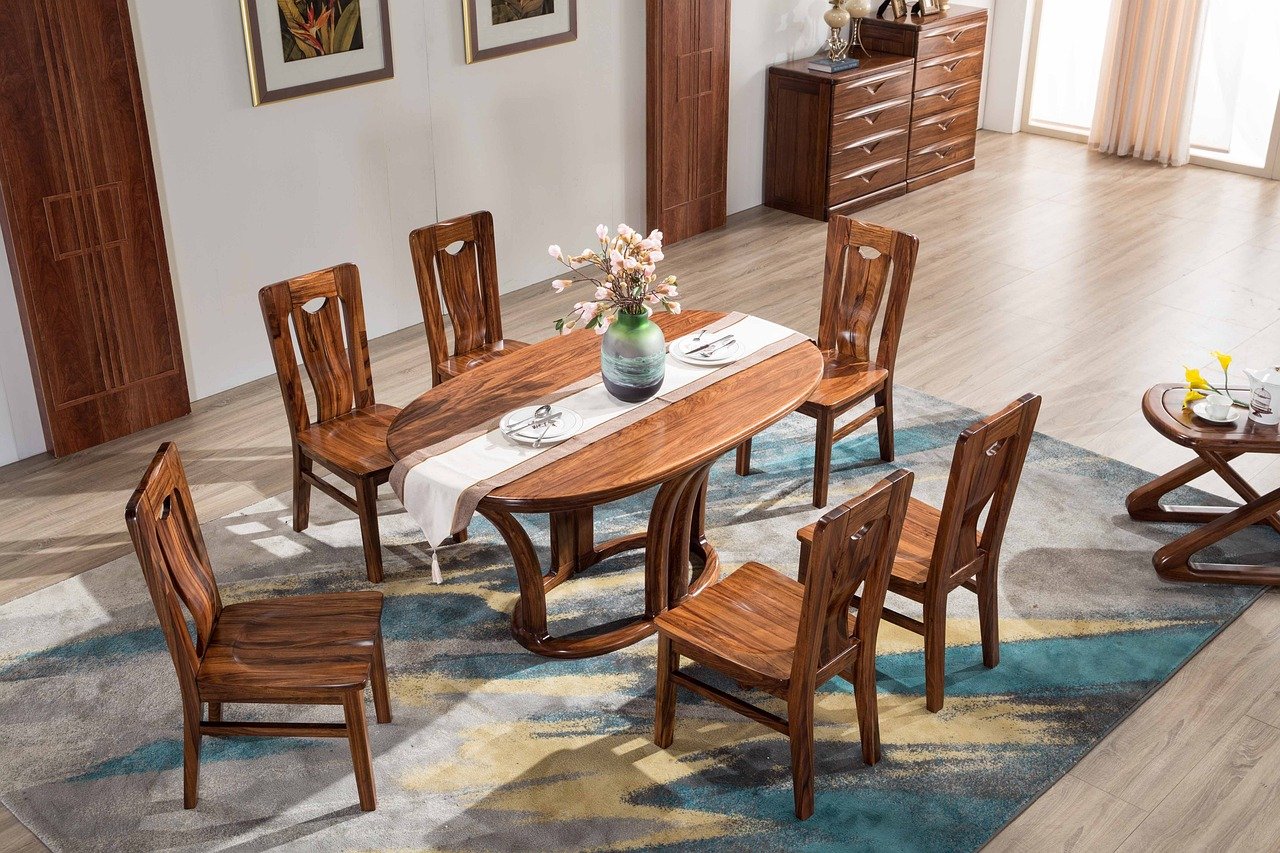
Additionally, the shape of the room plays a significant role in determining the appropriate dining table size and shape. For instance, a square table may be ideal for smaller, square spaces, while a rectangular table could complement a longer room more effectively. Be cautious when choosing round tables. While they are wonderful for social gatherings—allowing all guests to face one another and making conversations and interactions easier—they tend to occupy a lot of space and can make the room feel crowded.
You should also take note of any architectural features, such as windows or fireplaces, as these elements may impact where you decide to place your dining table.
Next, consider your specific needs when entertaining guests. Evaluate how many people you typically host during gatherings. A table that accommodates your usual number of guests, plus a few extra seats for occasional visitors, is always advisable.
You may also want to deliberate on the possibility of multi-purpose uses for the dining area, such as a workspace or a family game area, which could influence your selection of a table with additional features, like extensions or folding capabilities.
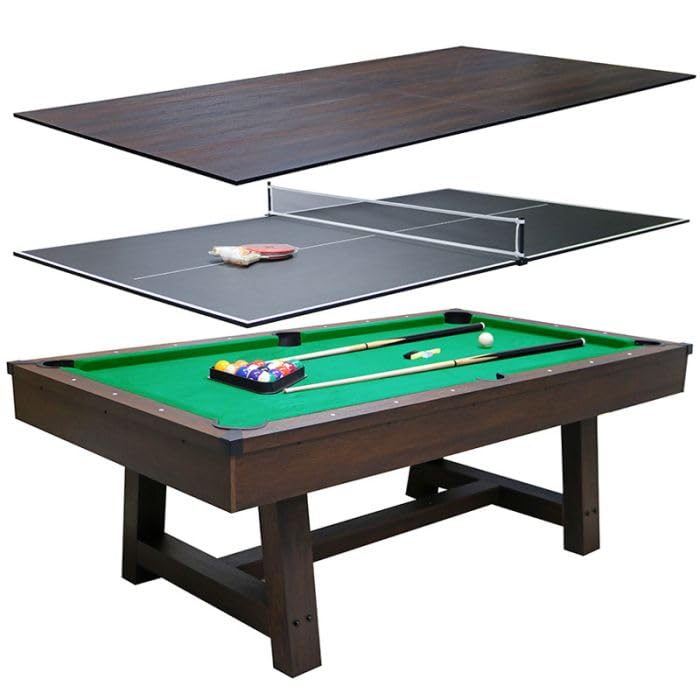
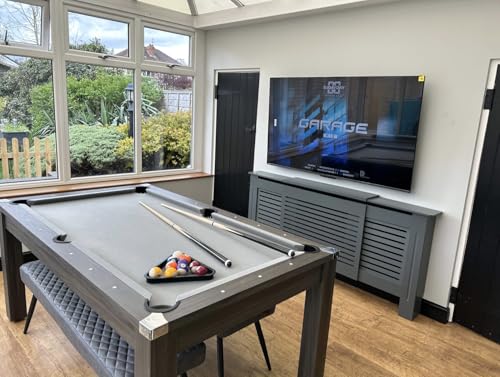
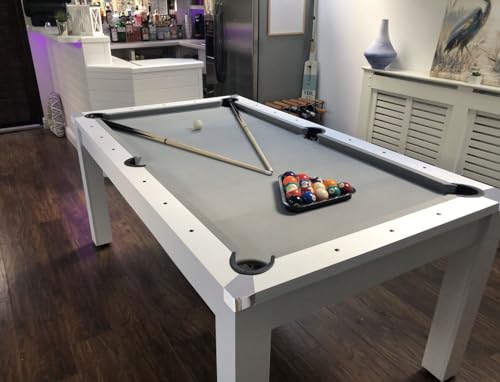
Moreover, reflect on your existing decor style. The dining table should complement, rather than clash with, your home’s aesthetics. Whether you prefer a modern, rustic, or traditional design, ensuring cohesion with the other furnishings will elevate the overall ambiance of your dining space.
Exploring Dining Table Styles and Materials
Choosing the right dining table is essential for creating the desired atmosphere in your home. There are various styles and materials available, each offering its unique benefits and drawbacks. Understanding these options will help you make an informed decision tailored to your personal taste and lifestyle.
- Wooden tables remain a classic choice, known for their warmth and durability. They come in various types, including oak, walnut, and maple, each offering different grains and tones. Wooden dining tables can be highly resistant to wear and tear, with proper care. However, they require regular maintenance, such as polishing or treating to avoid scratches and water damage. Additionally, the weight and bulkiness of wooden tables may limit the flexibility of arranging your dining space.
- Glass dining tables have become increasingly popular for modern interiors. They create an illusion of space, making them an excellent choice for smaller areas. A glass tabletop paired with metal or wooden legs can add a touch of elegance and sophistication. However, glass tables can be prone to scratches and stains, necessitating careful handling and regular cleaning. Their transparency can also lead to a lack of warmth in the dining area.
- Metal dining tables represent another contemporary option, known for their durability and industrial aesthetic. These tables are often made from stainless steel or wrought iron, providing a robust surface for everyday use. While they require minimal maintenance, they may not offer the same coziness as wooden options, affecting the overall ambiance of the space.


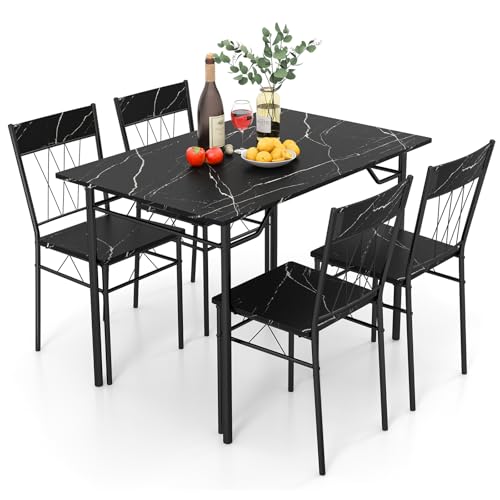
When selecting a shape for your dining table, consider how it impacts both functionality and aesthetics, the options are as following:
- Round tables encourage conversation and are ideal for smaller gatherings.
- Rectangular tables can accommodate more people and work well in larger dining areas.
- Oval tables combine the benefits of both shapes, offering a more elongated appearance while still allowing for easy movement.
In conclusion, understanding the different styles and materials of dining tables is crucial in making a choice that complements your dining space. By considering aspects such as durability, maintenance, and the desired ambiance, you can select the perfect dining table that aligns with your lifestyle and preferences.
Budgeting and Choosing the Right Price Range
When it comes to purchasing a dining table, one of the first steps is to establish a realistic budget. Understanding the financial implications of different dining table options can help streamline the selection process and prevent overspending. Prices for dining tables can vary significantly based on factors such as the quality of materials, craftsmanship, design, and brand reputation.
Generally, dining tables can be categorized into three primary price ranges: budget-friendly, mid-range, and high-end.
- Budget-friendly tables typically cost under $300 and are often made from less expensive materials, such as laminate or manufactured wood. While these options may not boast the longevity or aesthetic appeal of pricier choices, they can be suitable for those with constrained budgets or temporary living situations. In contrast.
- Mid-range tables, usually falling between $300 to $1,000, offer a balance of quality and design. These might feature solid wood construction or enhanced detailing and can serve as an enduring addition to your home’s decor.
- High-end tables, exceeding $1,000, often incorporate premium materials, intricate craftsmanship, and unique, designer elements that may justify their higher price tag.
To maximize value for money, consider shopping during seasonal sales events or furniture store clearances, which can offer substantial discounts on quality dining tables.
Furthermore, exploring second-hand options through online marketplaces or thrift stores can lead to affordable finds that still align with your style and preferences.
As you venture into the selection process, also be mindful of warranty and return policies, as they can provide additional assurance regarding your investment. Ultimately, balancing your budget with your desired quality and style will lead you to the perfect dining table that complements both your home and financial plan.
Choosing the Perfect Chairs: Understanding Dimensions
When selecting chairs for your dining table, dimensions play a crucial role. The standard dining chair height is about 18 inches, which allows for comfortable seating at most tables. Ensure there is roughly 10-12 inches of clearance between the seat of the chair and the bottom of the table. Width is also important; a chair that measures around 18 to 20 inches wide will provide ample space without overcrowding.
Design Considerations
The design of dining chairs varies widely, reflecting personal style and functional requirements.
- For official dining rooms, consider elegant, upholstered chairs that complement the overall décor.
- In a casual kitchen setting, you might opt for chairs with lighter materials, such as wood or metal, which are easy to clean and maintain.
- Garden chairs should be weather-resistant, often made from durable plastic or treated wood, allowing for outdoor enjoyment without compromising longevity.
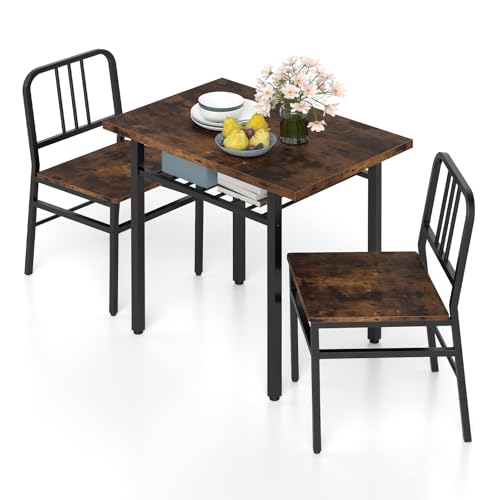
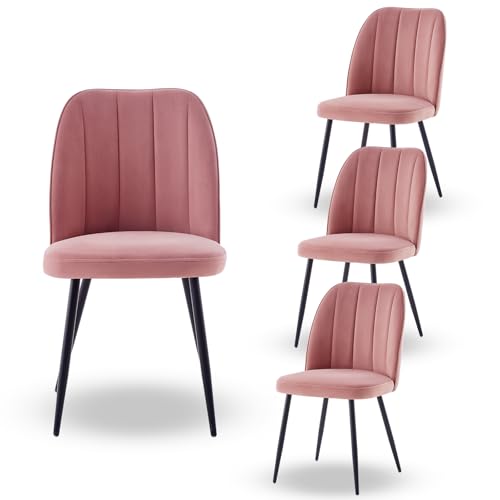

Finally, it is essential to differentiate between the types of chairs suited for various environments. Official dining rooms typically feature more formal designs, while kitchen chairs emphasize practicality and comfort. Garden chairs, on the other hand, should combine durability and aesthetic appeal, suitable for outdoor gatherings.
By considering dimensions, design, and style, you can create a harmonious dining experience, tailored to your specific needs.
Finalizing Your Choice and Making the Purchase
Once you have selected your ideal dining table, the next steps involve finalizing your choice and executing the purchase effectively. After narrowing down your options, it is important to consider delivery methods. Some retailers provide white glove service, which includes delivery and assembly, while others may offer merely curbside delivery. Ensure you confirm whether the dining table will fit through your doors and any tight spaces in your home.
Assembly requirements should also be reviewed before making a purchase. Some dining tables come ready to use, while others may require assembly. If self-assembly is necessary, check if the required tools are included and read reviews regarding the assembly process to gauge how manageable it will be. Should you prefer a hassle-free experience, consider hiring a professional to assemble the table for you.
Customization features can greatly enhance your dining table’s appeal. Some retailers offer options such as wood type, finish, or additional features like extendable leaves. Exploring these customization options allows you to create a table that fits your taste and functional needs seamlessly. Moreover, don’t hesitate to negotiate pricing, especially if you are purchasing during sales or if you find similar styles at competing stores. Retailers may be willing to lower the price or offer additional perks, such as free accessories or future discounts.
Post-purchase considerations are equally vital for maintaining and styling your new dining table. Regular care, which may include polishing and cleaning according to the table’s material, will ensure its longevity. To enhance the dining experience, consider plating your table with elegant tableware, centerpieces, and accessories that complement the style of your dining room. This effort will create a cohesive aesthetic and elevate your dining space.
Leave a Reply