

The Importance of Bodyweight Training
Bodyweight training is a fundamental approach to building muscle without the need for gym equipment. This form of exercise utilizes the individual’s own body weight as resistance. One of the primary benefits of bodyweight training is its versatility; it can be performed anywhere, whether at home, in the park, or while traveling. This convenience encourages consistency, which is essential for muscle growth and overall fitness progression.
Some of the most effective bodyweight exercises include push-ups, squats, and lunges. Push-ups target the chest, shoulders, and triceps while improving core stability. They can be modified to suit various skill levels, making them an excellent starting point for those new to training.
Squats primarily engage the lower body muscles, such as the quadriceps, hamstrings, and glutes. This exercise also helps in developing core strength and balance. Lunges are beneficial for working the legs and improving coordination.
In conclusion, bodyweight training serves as a highly effective means for those who wish to build muscle without reliance on gym facilities.
1. Equipments
For those embarking on the journey of building muscle without the confines of a gym, selecting the right equipment is pivotal. Fortunately, a variety of affordable and versatile products can be readily acquired through platforms like Amazon, enabling beginners to establish an effective home workout routine.
One particularly beneficial item is resistance bands. These bands come in various strengths, allowing users to perform an extensive range of exercises that target different muscle groups. Their flexibility makes them perfect for progressive training, as one can easily adjust the resistance to match their increasing strength over time.


Dumbbells are another essential piece of equipment that should be considered. A set of adjustable dumbbells not only saves space but also provides the opportunity to engage in numerous strength-training exercises. Whether it’s bicep curls, chest presses, or lunges, dumbbells are invaluable tools for enhancing muscle growth.
Moreover, they allow for unilateral training, which can help correct muscle imbalances that may arise from everyday activities.



In addition to these, a stability ball offers a unique way to integrate core strength into workouts. This inflatable ball can be used for exercises like ball squats, push-ups, or even as a seat while performing dumbbell workouts. By incorporating a stability ball, one can not only work on muscle building but also improve balance, flexibility, and overall core stability.
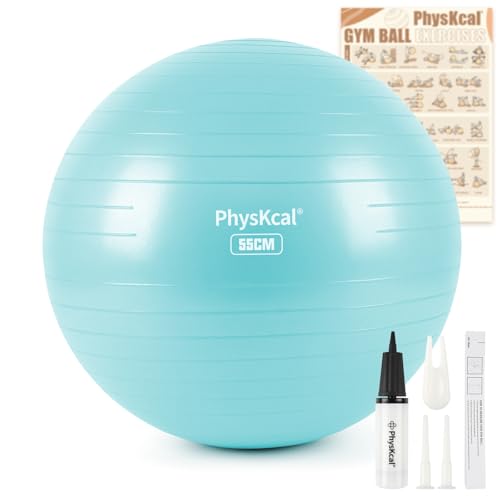
- 🤍𝗔𝗡𝗧𝗜-𝗕𝗨𝗥𝗦𝗧❟ 𝗦𝗟𝗜𝗣-𝗥𝗘𝗦𝗜𝗦𝗧𝗔𝗡𝗧: PhysKcal Gym Ball 85cm Blue supports up to 300kg/660lbs dynamic load (2000lbs for static lo…
- 🤍𝗛𝗬𝗚𝗜𝗘𝗡𝗜𝗖 𝗔𝗡𝗗 𝗦𝗔𝗙𝗘: A gym ball, or also known as fitness ball, physio ball, yoga ball or balance ball is normally made o…
- 🤍𝗦𝗧𝗥𝗘𝗡𝗚𝗧𝗛𝗘𝗡 𝗬𝗢𝗨𝗥 𝗖𝗢𝗥𝗘𝗦❟ 𝗟𝗘𝗩𝗘𝗥𝗔𝗚𝗘 𝗦𝗧𝗔𝗕𝗜𝗟𝗜𝗧𝗬: You may ever heard of Lebron James’ favoritism about training with swiss bal…
The combination of resistance bands, dumbbells, and a stability ball, forms a solid foundation for any home workout regimen. By investing in these essential equipment pieces, you can effectively work towards your muscle-building goals right from the comfort of your home.
2. The Routine
Creating a balanced and efficient workout routine for muscle growth without gym access can seem challenging, but with the right approach, it is entirely achievable. The foundation of a successful home workout program should include a well-structured frequency, duration, and progression plan.
It is advisable to start with a workout frequency of 3-4 days per week. This schedule allows sufficient recovery time, essential for muscle repair and growth. Training every other day is an effective strategy, so consider following a schedule such as Monday, Wednesday, and Friday for workouts aimed at different muscle groups, ensuring that the body receives adequate rest between sessions.
Each workout should ideally last between 30 to 60 minutes. This time frame is sufficient to warm up, conduct a range of exercises, and complete a cool-down routine. Warm-ups are critical in preparing the muscles for action and minimizing the risk of injury. Incorporating bodyweight exercises such as push-ups, squats, and lunges is essential, alongside movements that leverage simple equipment like resistance bands or dumbbells, if available. This combination aids in promoting hypertrophy—growth of muscle fibers—without the need for traditional gym machines.
To ensure continued progress, it is important to focus on gradually increasing the intensity of the workouts. This can be achieved by incrementally increasing the number of repetitions, sets, or reducing rest periods. Tracking workouts helps in assessing progress and staying motivated.
A sample weekly workout plan might include upper body exercises on one day, lower body on another, and core strengthening on a third day. Balance is key; ensure that all major muscle groups are engaged throughout the week.


3. The Nutritions
Nutrition plays a pivotal role in the muscle-building process, often determining the success of an individual’s fitness journey. It is essential to adopt a balanced diet enriched with the right macronutrients.
- Proteins, Carbohydrates and Healthy fats.
Proteins are the building blocks of muscle and should be prioritized in the diet. Sources such as lean meats, fish, dairy products, legumes, and plant-based proteins provide the necessary amino acids required for muscle repair and growth.
Carbohydrates are the primary source of energy during workouts. Incorporating whole grains, fruits, and vegetables ensures that the body has sufficient energy to power through workouts effectively.
Healthy fats, found in foods like avocados, nuts, and olive oil, contribute to hormone production and overall health, further supporting muscle development.
- Meal planning and preparation are vital components of a successful nutrition strategy. Preparing meals in advance helps maintain portion control and makes it easier to choose nutrient-dense options. Creating a weekly meal plan that includes a variety of protein sources and a mix of carbohydrates and fats can ensure balanced nutrition. It is advisable to focus on whole foods while limiting added sugars and processed items.
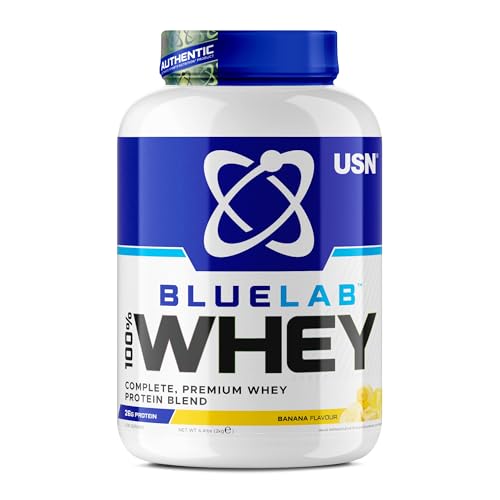
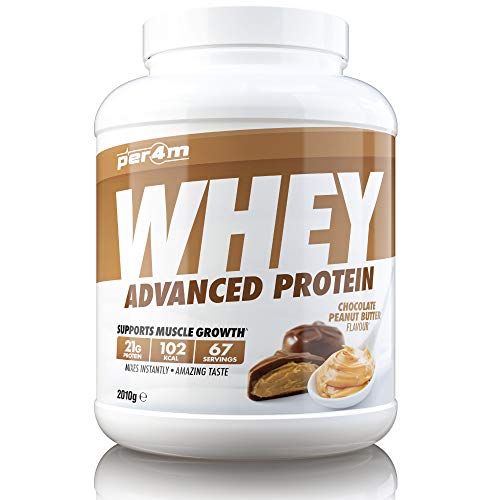
- Protein supplements are a great option for anyone looking to boost their daily intake easily. Adding whey protein powder to your routine—especially after workouts—can help support muscle recovery and growth. Try mixing it into smoothies or oatmeal for a quick, tasty, and nutritious protein boost..

Maintaining healthy eating habits while engaging in home workout routines is achievable with diligence and focus on nutrition. Understanding the crucial interplay between food, exercise, and muscle building will empower individuals to reach their fitness goals efficiently.
In conclusion, by following these guidelines and remaining consistent, beginners can effectively build muscle without the need for a gym while enjoying the freedom and flexibility of training at home.
Leave a Reply